
Incidents
Agents bring reports, status, location, history and impact together for control-tower review.
RedT AI supports control towers, carriers, logistics providers and field teams with agents that organize incidents, update statuses, add context and escalate exceptions within governed workflows.
Route incidents, delays, document discrepancies, unavailable inventory, redeliveries and shifting priorities put pressure on control towers. Every delay in sharing context adds cost and friction for customers and field teams.
AI Agents can consolidate signals, prepare status updates, suggest priorities and route exceptions for oversight—while preserving traceability and integration with operational systems.
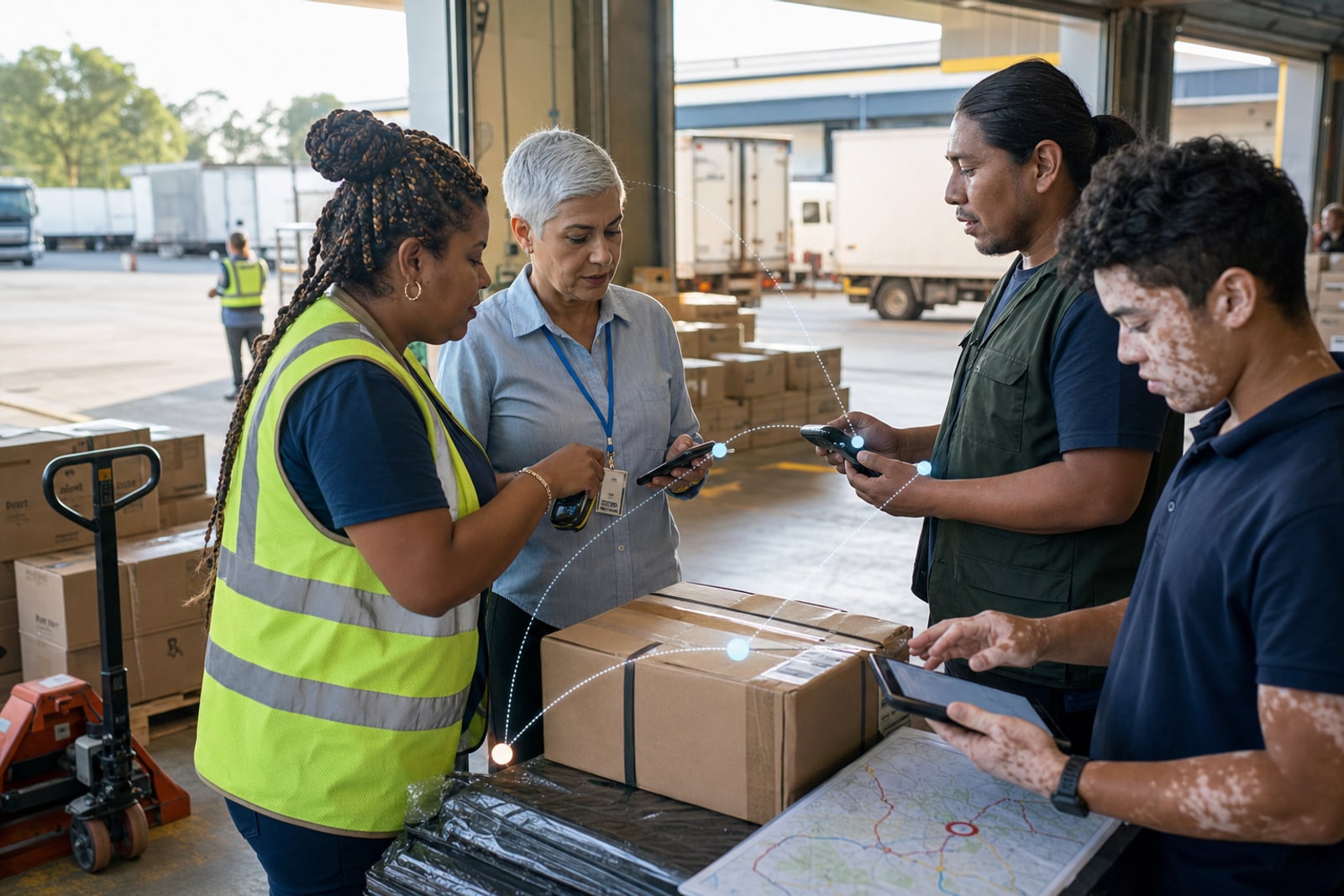
Applications that reduce response times, organize exceptions and improve operational visibility.
Agents bring reports, status, location, history and impact together for control-tower review.
Assisted prioritization, summaries and handoffs for supervisors, customers or field teams.
Support for operational communications, evidence collection and next-step guidance.
Governed updates, decision records and telemetry to reduce ambiguity.
A logistics incident is rarely isolated. It can affect SLAs, customers, routes, inventory, documentation and field teams. RedT AI brings this context together so the control tower can make decisions with less noise.
The agent prepares the case; the operational decision remains under human oversight.
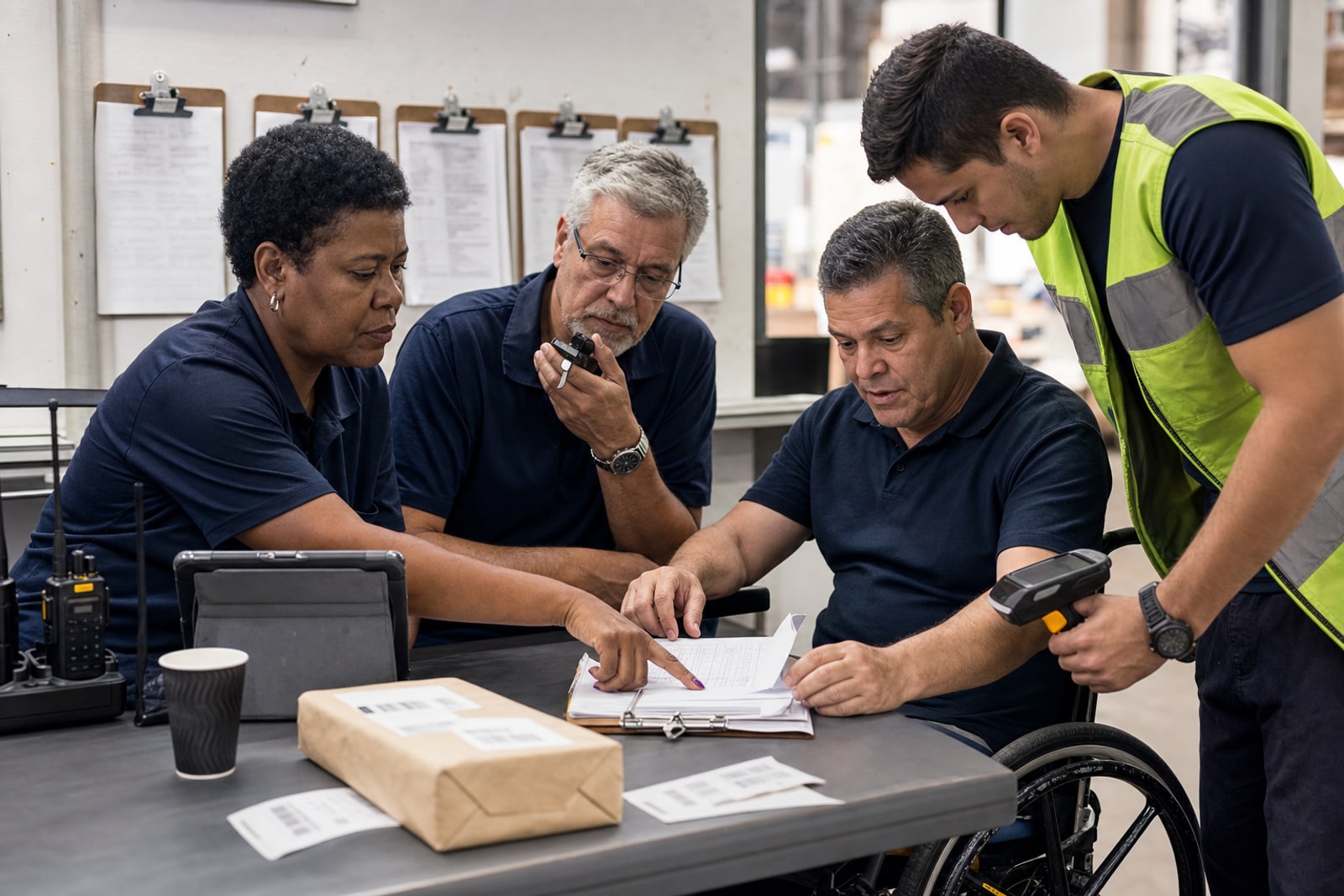
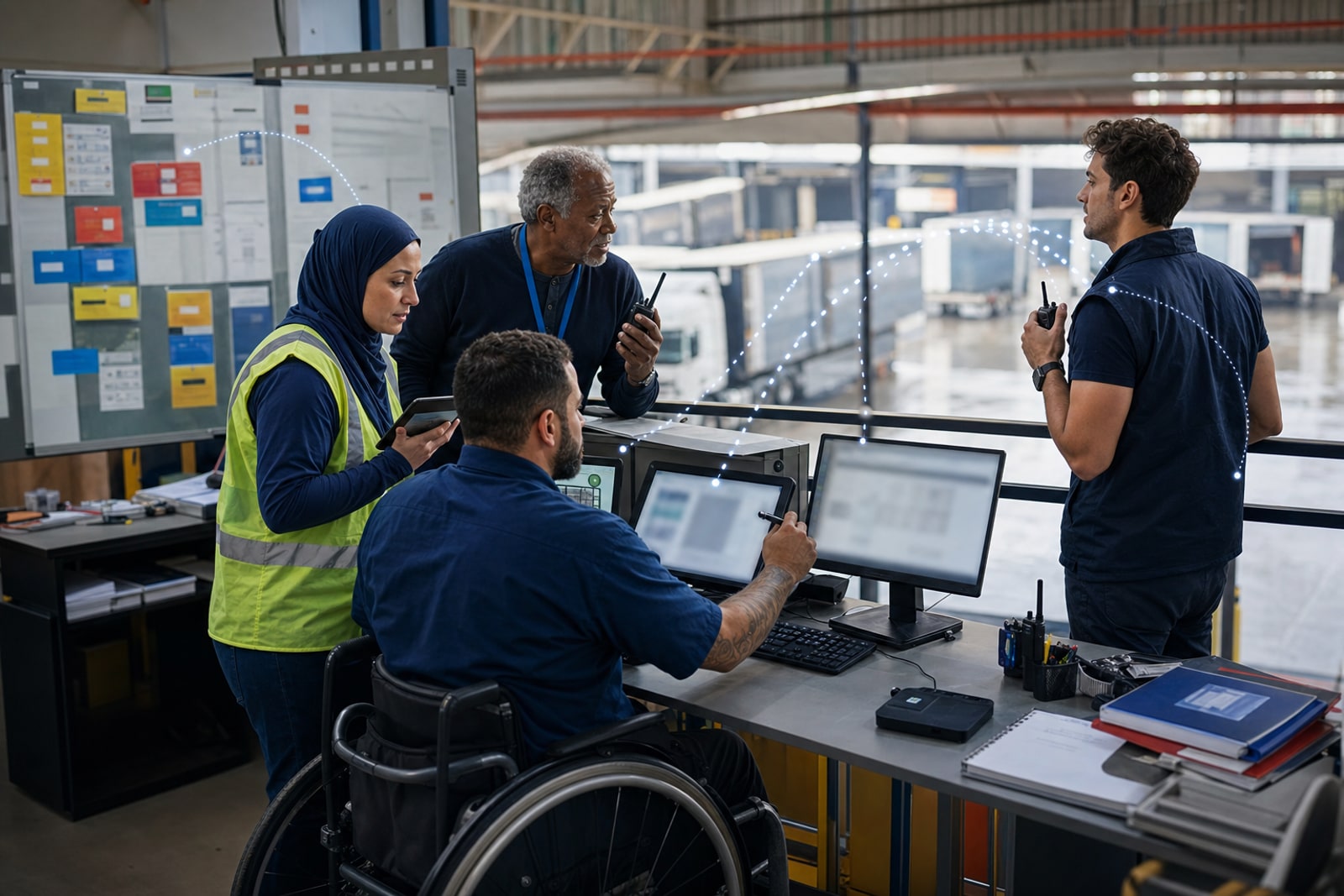
Control-tower teams lose time switching between systems, spreadsheets, messages and calls. Agents can prepare summaries, status updates and key alerts for operators and supervisors.
RedT Platform connects channels and systems without creating a separate, ungoverned operation.
Drivers and field teams need clear, up-to-date instructions that align with the process. AI Agents can organize messages, collect evidence and route exceptions to the responsible team.
This reduces back-and-forth and improves the quality of operational records.


Customers and internal teams need reliable information about status and exceptions. Agents can draft communications from consolidated data and record when a message was sent, reviewed or escalated.
Productivity improves as rework falls and the cycle from incident to decision to communication gets shorter.
RedT maps incidents, integrations, channels, teams and decision points to prioritize useful, auditable automation.