Maintenance
Incident triage, asset history, operational guidance and evidence records.
RedT AI supports industrial plants, manufacturing, technical support and quality operations with supervised agents that consolidate context, trigger integrations, prepare records and expand team capacity without removing human control.
Maintenance, production, quality and technical support depend on signals from systems, people, equipment, documents and procedures. When information is fragmented, decisions are delayed and records lose quality.
AI Agents can support operators, technicians and managers with consolidated context, incident summaries, assisted checklists, system integrations and evidence for continuous improvement.
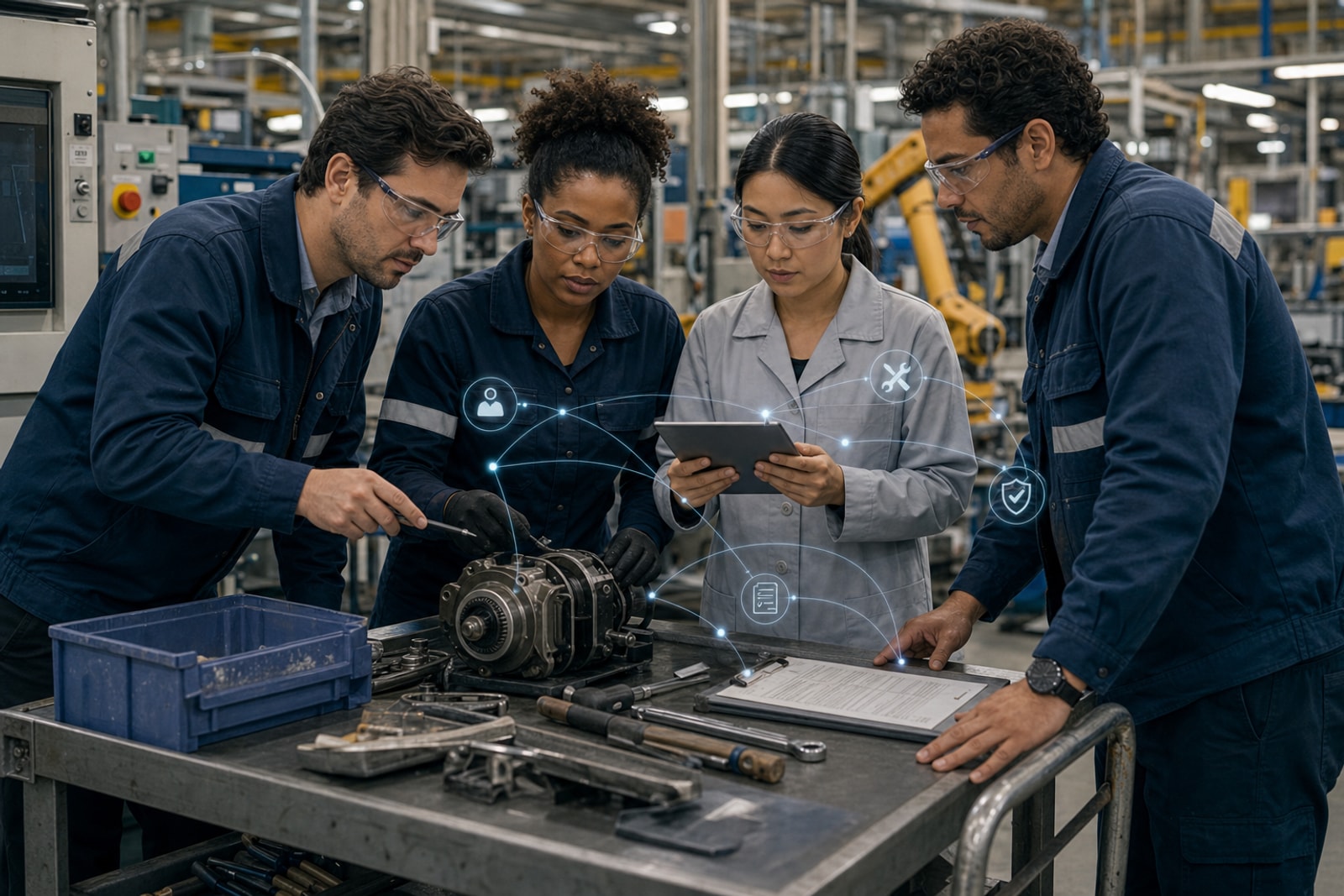
Applications that improve operational productivity, record governance and team capabilities.
Incident triage, asset history, operational guidance and evidence records.
Support for shifts, status updates, outstanding items, anomalies and team handoffs.
Assisted checklists, organized evidence and routing for review by accountable staff.
Agents help search technical knowledge, prepare instructions and escalate exceptions.
Maintenance is more efficient when technicians receive organized history, recent signals, asset context and outstanding items. Agents can prepare this information for review without replacing responsible technical analysis.
RedT Platform governs integrations and records so AI remains part of the operational workflow.

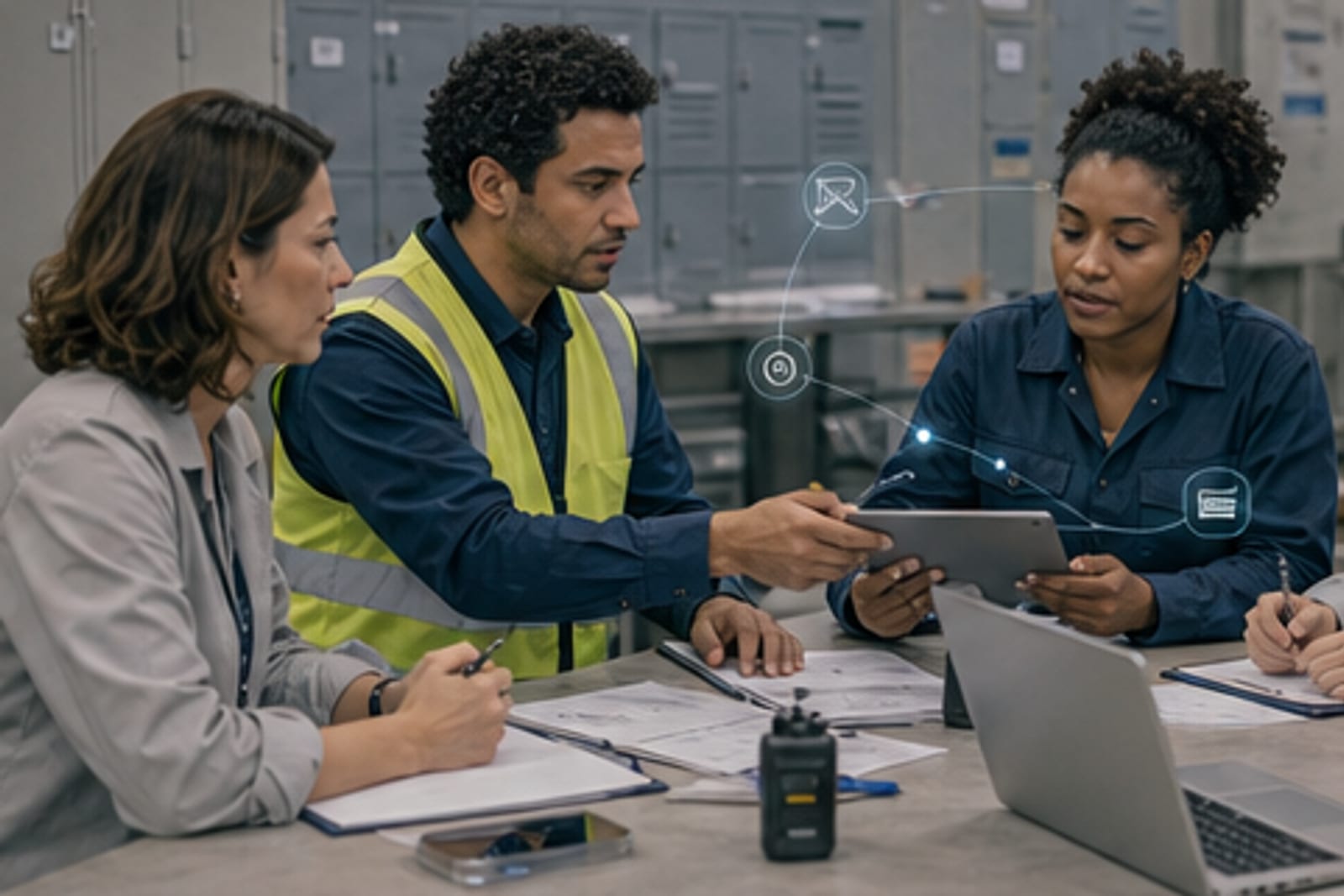
Shift changes, stoppages, adjustments and incidents require consistent records. Agents can summarize events, outstanding items and next steps to support shift handoffs and oversight.
This reduces reliance on individual memory and strengthens operational continuity.
Quality depends on reliable evidence and consistently applied criteria. AI can help organize checklists, flag gaps and prepare reports for review.
Authorized staff retain the final decision, preserving control and auditability.
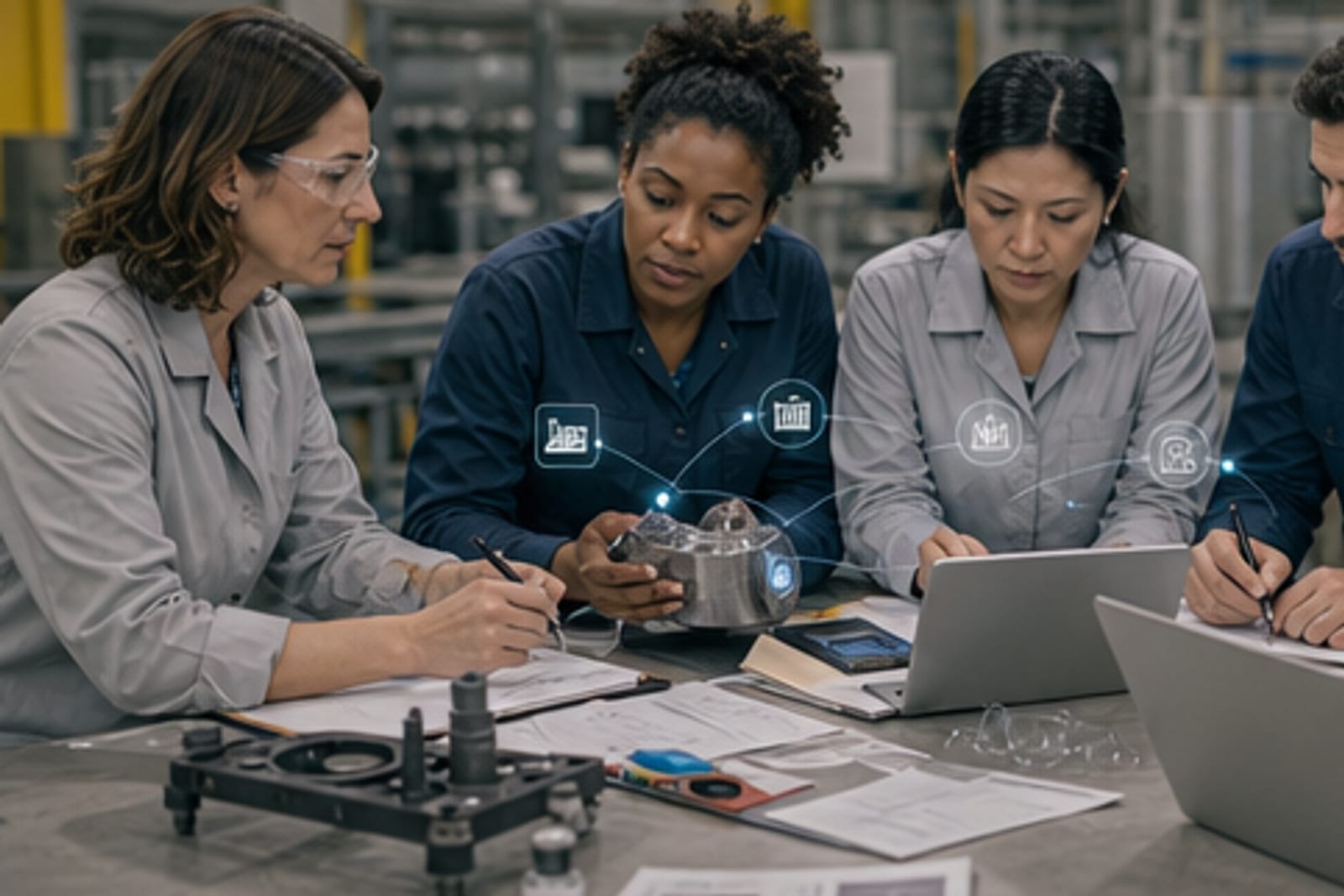
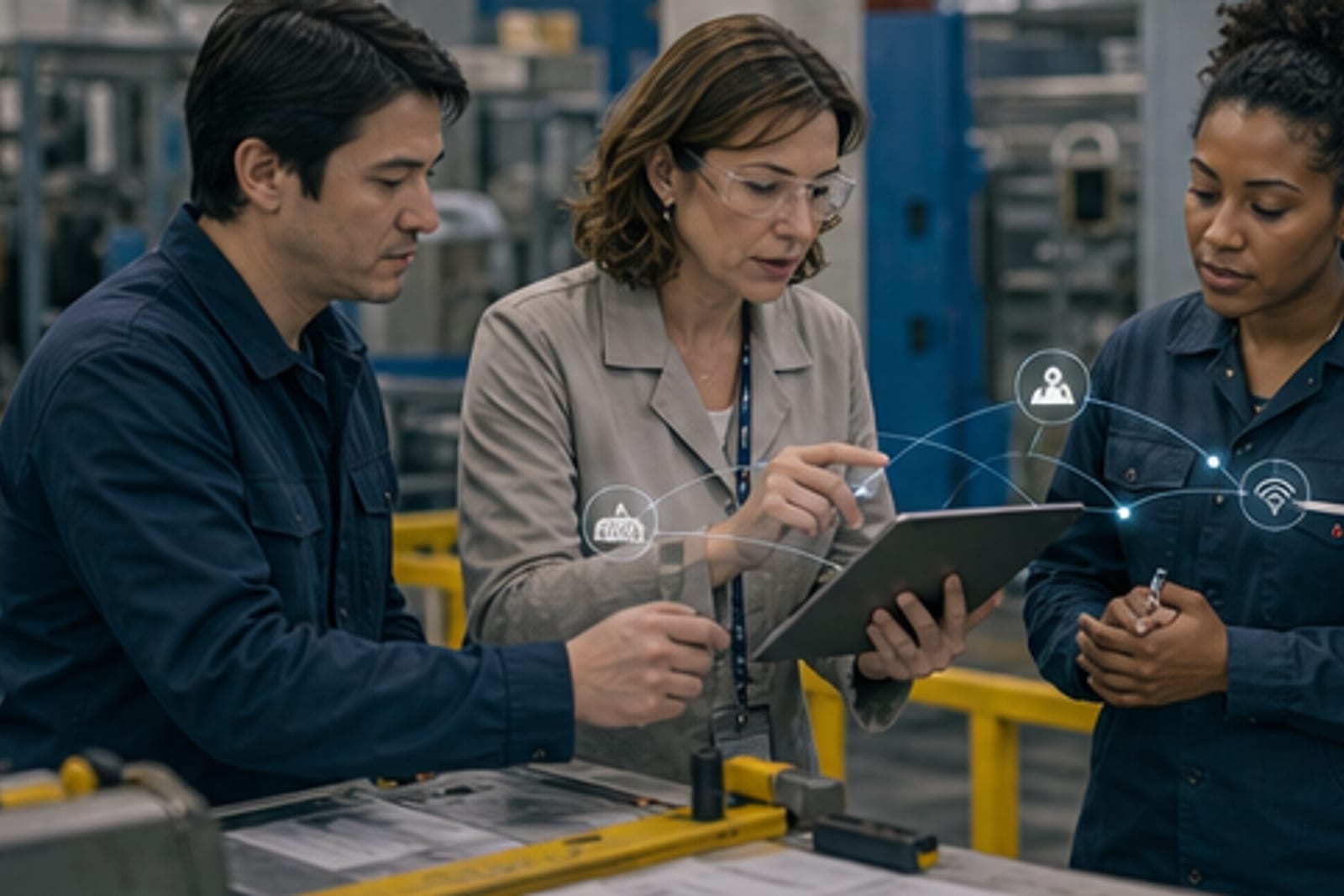
Technical experts are called in for recurring questions, field support and critical exceptions. Agents can prepare context, search approved knowledge bases and suggest options for review.
Teams can handle more requests while retaining control over instructions and exceptions.
RedT identifies where agents can support maintenance, production, quality and support without creating automation outside governance.